The Best 4 Shoulder Exercises and Best 8 Shoulder Stretches to Prevent Shoulder Injuries
Preventing Shoulder Injury and Improving Strength
In the animal world, the human shoulder has the greatest range of movement not only compared to all the other joints in our body but also compared to ALL joints in ALL animals from frogs to elephants to whales (other primates excluded). What does that mean? We have an incomparable huge range of motion and adaptability. It also means the shoulder has one of the greatest risks of injuries which we need to protect it from. How should we prevent shoulder injuries? In this article series, I will cover the major components of keeping the shoulder healthy and what exercises you can do to bulletproof them from injuries.
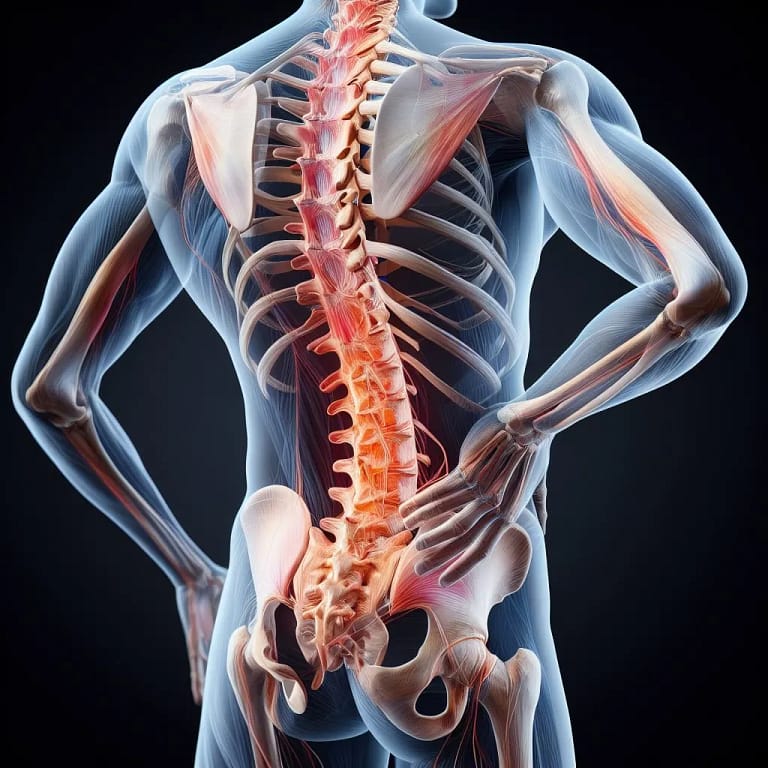
Whether you are a high performance athlete or a weekend warrior, it is important to have healthy shoulders. The shoulder joint is a complex joint with a lot going on under the surface. It is made up by the humerus (upper arm) and the shoulder blade and is held together by the rotator cuff (as well as other muscles and ligaments). It is important to know what you’re dealing with in order to train for optimum shoulder health.

When shoulders become compromised, you begin using your neck more which causes neck tightness, pain, headaches, and a myriad of other issues. These can all be alleviated by addressing upper back strength and posture as well as rotator cuff strength and tricep flexibility.
If you have shoulder issues and don’t address them, you could be facing years of shoulder rehab or even worse case, surgery on your shoulder. Even if you have no issues, you can help to prevent these issues by using these exercises that I list which helps to improve shoulder mobility and stability.
To ensure shoulder health and prevent injuries, it is important to have proper scapular control, flexible lat and pec muscles, and to be strong in many different planes of movement.
How to Bulletproof the Shoulder
In order to bulletproof the shoulder we need to address posture, scapular movement, the rotator cuff and bicep and pec flexibility. Addressing all these components, you will experience less pain, increased mobility and stability of the shoulders and as a bonus side effect you will feel stronger during pressing movements (hello, pain free bench pressing)!
Posture to Prevent Shoulder Injuries
Much of our shoulder issues are made worse by poor posture. Sitting at a computer all day, or in the car or watching television adds up. Because of our daily postural demands, poor habits or even our training, we can be pulled into this forward rounded shoulder position that limits range of motion and increases your risk for injury.
You know what the trapezius (trap) muscles are right? That’s a common one. Point to the muscles right to the sides of your neck. What you probably don’t know is that the trapezius muscles travel all the way down to the middle of your back.
When the upper trapezius becomes overpowered, it draws the scapula upwards and that is where it remains stuck. I want you to focus on contracting the lower trapezius muscles to improve your posture.
Exercise Progressions: Superman
1. Superman
It is important to develop the rhomboid muscles and the lower trapezius (upper back muscles). Prone exercises can be very beneficial and are easy to implement into training since they require little to no equipment.
Lying prone on the floor or on a bench with your arms at your sides, extend at your lower back raising your chest off the floor and hold that position, all the while squeezing the muscles between your shoulder blades.
Hold for 2 sets for :30 seconds
For the next progression put your arms straight out past your head and then bend them to a 90 degree angle while keeping your palms higher than your elbows. Slowly try to raise your entire arm higher and higher until you feel the muscles between your shoulder blades on fire! Hold this position for 30 seconds before slowly pressing your arms out until your elbows are straight then return to the start position. Do this for 8 repetitions following the 30 second hold.
2 sets of 30 seconds and 8 repetitions
Preventing Shoulder Injuries with Exercises
Scapular Control to Prevent Shoulder Injury
When addressing shoulder pain or dysfunction many people overlook the scapula. Because of the problems mentioned earlier about an overtrained upper trapezius muscle it is conceivable to think that scapular dysfunction could be a primary culprit of your shoulder pain.
The scapula needs to be able to retract, protract, elevate and depress and bench pressing isn’t getting all of that done for you.
There are even more exercises to train good scapular motion but these three are a great start and require minimal equipment to begin.
Exercise Progressions: Band Pull Aparts – PVC Dislocations – Incline Pushup
2. Band Pull Aparts
These will get you thinking about what your shoulder blades are doing. Hold a light resistance band in front of you with your hands gripping the band at shoulder width apart (overhand grip). Slowly pull the band apart.
Feel your shoulder blades retract (come together) as you pull the bands apart, slowly let your arms return to the start position and feel the shoulder blades protract (spread apart). Perform 8 repetitions or more to really prime the appropriate muscles.
If you don’t have a band this movement can be performed in a pushup position. Simply retract and protract your shoulder blades while in the pushup position WITHOUT bending your elbows or lowering your body towards the floor.
2 sets of 8 repetitions
3. PVC Dislocations
Dislocations are a great way to improve shoulder range of motion. Despite the terrible name, dislocations can help strengthen the upper back muscles.
Hold a pvc pipe out in front of you much like you did with the band pull aparts except this time put your hands as far apart as necessary with an overhand grip. Keeping your elbows straight slowly raise the bar over your head and all the way behind you and tap yourself on the lower back/butt before returning to the start position. You may find you get “stuck” in a particular spot. Don’t try to push through. Return to the start position, widen your grip and try again until you can pass all the way without much restriction. If you are having no trouble, slowly start to work your hands in together to make the stretch more challenging.
The fun doesn’t have to stop there. You can add light plates to the bar to force your upper back muscles to work harder through the movement. You will be surprised how this improves your overhead mobility and overall shoulder strength!
2-3 Sets of 8 Repetitions
If the pvc pipe is too rigid or painful to use, start with a band which will allow you to get around any sticking points you may have.
4. Incline Pushup
The pushup is an incredible exercise not only because it can be performed anywhere, but because it also promotes healthy scapular movement. The problem with flat pressing on benches is that your shoulder blades are tacked down and aren’t able to move causing the development of poor movement mechanics.
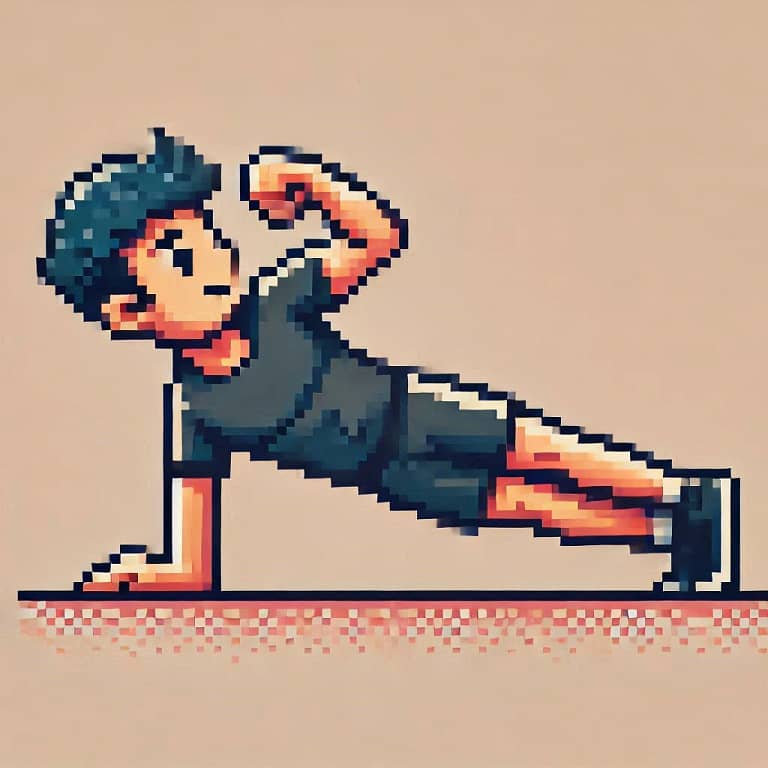
Try this. Set up two chairs of equal height a little wider than shoulder width apart. Place yourself in position for a pushup. Slowly lower yourself until you feel your upper back muscles contract, hold for 2 seconds and then slowly squeeze them to press yourself out of the bottom position.
With the angle being more of that of a decline bench press, you should be able to feel your chest and deltoids really stretch at the bottom of the pushup.
To make it more difficult, add boxes to your feet to slowly increase the angle to that of a regular pushup. I like these more than regular pushups because it allows you to develop strength at more extreme ranges of motion.
You can adjust the distance of the chairs or boxes as needed. Keep your repetitions low and aim for quality repetitions.
3 – 5 sets of 1 – 10 repetitions
Preventing Shoulder Injuries Through Stretches
1. Stretch the Lats
The lats can also be a big inhibitor of shoulder mobility because they get extremely tight and short from many other exercises. And a tight shoulder can lead to injuries.
First, we are going to stretch them and improve our overhead mobility arm by arm, then we are going to improve the strength in that position before strengthening the lats (and teres major) in a different way altogether.
Exercise Progressions: Kettlebell tricep stretch – DB Helicopter – Side Lying Pullovers
2. Kettlebell Triceps Stretch
Hold a kettlebell behind your back with your elbow pointed towards the ceiling. Do your best to let your hand turn in the opposite direction of your body. Hold this position for 60 seconds and you should feel a stretch in the lat muscles and triceps of the overhead arm.
If you don’t have a kettlebell, a dumbbell will work too.
1 isometric hold of :60 per side
3. Dumbbell Helicopter
Have you ever experienced frozen shoulder? It occurs when inflammation in the shoulder becomes so chronic that it causes the flexible parts of the capsule to harden. Anecdotally, I’ve heard that one of the hardest things to do when you have a frozen shoulder is styling your hair.
Dumbbell helicopters are a great way to make sure that this doesn’t happen to you. But I’m going to warn you to go light with the resistance you use on this exercise.
Holding the dumbbell by the bottom head, turn it upside down as if it were a cup you were pouring out. Now raise the dumbbell up to right in front of your face. Pass the dumbbell in front of your face and then behind. Try not to move your neck to compensate for any lack of shoulder mobility. Start light with this exercise for 10 repetitions on each side.
Once again, start with light, then slowly progress.
2 sets of 10 repetitions each side
4. Side Lying Pullover
This is one of my favorite movements for not only improving shoulder strength and function but oddly enough it is my little known secret for improving pullup strength. I won’t go into the details but this movement will help develop the lats as well as the teres major giving you a lot more strength and control.
Lying on your side on the floor or on a bench, hold a dumbbell up. With the dumbbell in hand, point your fist in the air. With a slightly bent elbow, slowly lower your arm with the light dumbbell behind your head until you feel a stretch in the muscles under your armpit. You may also feel a stretch in your tricep too. Slowly return to the start position.
2 sets of 10 – 15 reps each side
5. Rotator Cuff Strength
Rotator cuff surgeries can take months to heal and the process can be painful so it’s important to know how best to protect your rotator cuff and what exercises are the most beneficial in providing mobility and stability.
Exercise Progressions: Lying External Rotation/Sleeper Stretch – Seated External Rotation
6. Lying Sleeper Stretch
The sleeper stretch will show you just how immobile your shoulders are. Lying on your side, with your arm on the floor and elbow bent (hand towards the ceiling), gently apply pressure with the opposite hand and lower your forearm to the floor, always keeping contact with the floor on the arm that is stretching.
Be careful with this stretch. It is effective but must be performed correctly. Spend :60 on each side. When you can get your forearm flat to the floor, you can start to hold light dumbbells and perform repetitions to strengthen the muscle further.
1 set of 30 – 60 seconds per side
7. Seated External Rotation
Take a seat on a bench and place one foot up with you. With a dumbbell in hand, place your elbow on your knee that is on the bench. Palm should be facing away from you. Slowly lower the weight as low as it will go, letting your forearm drop towards the floor. Hold the bottom position for 2 seconds before returning to the start position. Start light with this exercise!
I hear many people say to try to isolate the shoulder in this movement, but I prefer to get a little bit of movement and a stretch in the upper back as well in between each repetition. Do what works for you.
Like with all of these exercises, start light, own the movement, then slowly progress to more resistance.
2 Sets of 10 Repetitions Each Side
Bonus: Chest and Bicep Length
Think back to when we were discussing posture and how the upper back can become weak and cause rounded forward shoulders. Well so can overly tight pecs and biceps. This should come as no surprise as they are probably the most popular muscles to work for casual trainees.
No problem. This stretch will help keep these muscles lengthened and strong.
8. Lying Dumbbell Chest Stretch
This is a great stretch to not only undo some of the negative effects of flat pressing but it also strengthens the pecs so much that your flat pressing will improve!
You might be excited to try this but be careful! The chest is nothing to mess with and make sure to start with light weight (3-5 lbs) on your first attempt.
Lie down with a dumbbell in each hand and slowly bring your arms out to the sides with your elbows locked out. Go as low with the dumbbells as you can depending on your mobility/comfortability level. Lower your arms until you feel a stretch in the chest muscles and deltoids. Don’t be surprised if you feel a slight stretch through the biceps as well.
1-2 sets of :10 – :20 seconds
Preventing Shoulder Injuries Starts with Posture, Exercises and Stretches
Regarding the shoulder, there is so much more to cover but this is a great start. Progress these movements slowly in terms of resistance and prioritize range of motion and stability.
| Improve Posture | Superman | (with arms overhead) | ||
| 2 x :30 | 2 x :30 and 8 reps | |||
| Train Scapular Movement | Band Pull Aparts | PVC Dislocations | Incline Pushup | |
| 2 x 8 reps | 2 x 8 reps | 2-3 x 1 – 10 reps | ||
| Stretch Lat Muscles | Kettlebell Triceps Stretch | DB Helicopters | Side Lying Pullover | |
| 1 x :30 – 60 each side | 2 x 10 – 15 reps each | 2 x 10 – 15 reps each | ||
| Strengthen Rotator Cuff | Sleeper Stretch | Seated Ext Rotation | ||
| 1 x :60 each | 2-3 x 10 reps | |||
| Stretch Chest/Biceps | Lying DB Chest Stretch | |||
| 1 – 2 x :20 | ||||
If you strengthen your shoulders with an emphasis on improving posture, range of motion length of the muscle you will not only improve your shoulder mobility and stability, but you will decrease your risk for injury and improve shoulder strength too (hello bench pain free bench pressing!)
Sources:
- Dupuis F, Perreault K, Hébert LJ, Perron M, Fredette MA, Desmeules F, Roy JS. Group-based exercise training programs for military members presenting musculoskeletal disorders – protocol for a pragmatic randomized controlled trial. BMC Musculoskelet Disord. 2022 Apr 18;23(1):366. doi: 10.1186/s12891-022-05317-6. PMID: 35436907; PMCID: PMC9016952.
- Littlewood C, Ashton J, Chance-Larsen K, May S, Sturrock B. Exercise for rotator cuff tendinopathy: a systematic review. Physiotherapy. 2012 Jun;98(2):101-9. doi: 10.1016/j.physio.2011.08.002. Epub 2011 Oct 5. PMID: 22507359
- Luime JJ, Koes BW, Hendriksen IJ, Burdorf A, Verhagen AP, Miedema HS, Verhaar JA. Prevalence and incidence of shoulder pain in the general population; a systematic review. Scand J Rheumatol. 2004;33(2):73-81. doi: 10.1080/03009740310004667. PMID: 15163107
- May T, Garmel GM. Rotator Cuff Injury. 2022 Jun 27. In: StatPearls [Internet]. Treasure Island (FL): StatPearls Publishing; 2022 Jan–. PMID: 31613444.
- van der Windt DA, Burke DL, Babatunde O, Hattle M, McRobert C, Littlewood C, Wynne-Jones G, Chesterton L, van der Heijden GJMG, Winters JC, Rhon DI, Bennell K, Roddy E, Heneghan C, Beard D, Rees JL, Riley RD. Predictors of the effects of treatment for shoulder pain: protocol of an individual participant data meta-analysis. Diagn Progn Res. 2019 Aug 8;3:15. doi: 10.1186/s41512-019-0061-x. PMID: 31410370; PMCID: PMC6686538